

Condo and Co-Op Insurance in Florida: What Property Teams Must Track to Stay Covered
Florida presents one of the most complex property insurance environments in the country. The state’s exposure to hurricanes, coastal flooding, and evolving regulatory demands requires property managers and boards to take a structured, risk-aligned approach to property insurance management.
Unlike other states, Florida acts under the Florida Condominium Act, which defines the insurance responsibilities of the association and the individual unit owners. For those managing condo or co-op buildings, understanding the distinction between master policies and unit-level coverage is essential to maintaining compliance and ensuring proper claim resolution.
Master vs. Unit-Level Coverage in Florida
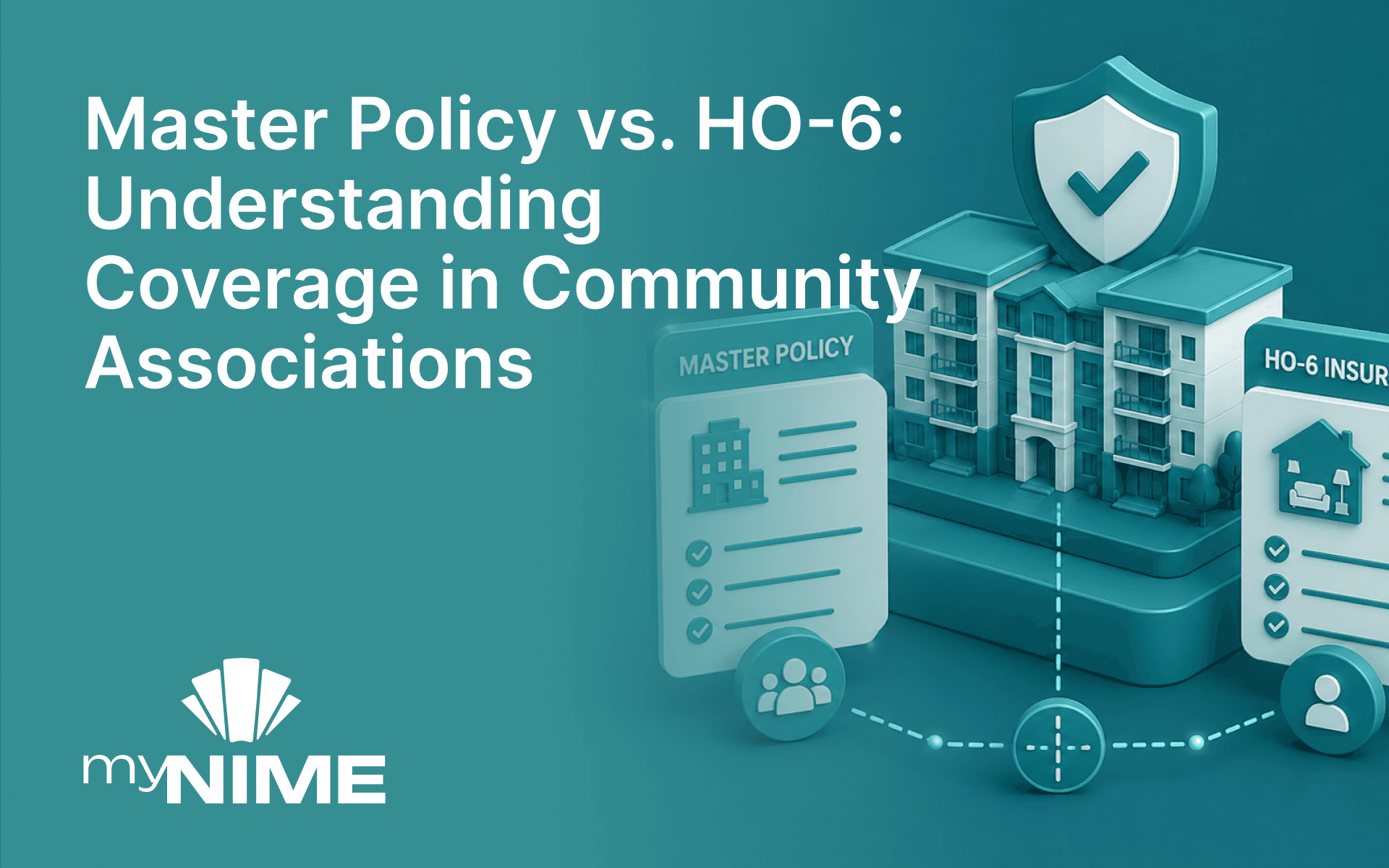
In Florida, the association or co-op board is responsible for securing a master insurance policy. This policy covers the physical structure of the building, shared systems, and common elements including lobbies, stairwells, roofs, elevators, and recreational amenities. Most carriers in Florida include windstorm and hurricane coverage, though deductibles tend to be high and calculated as a percentage of the total insured value. This requires precise attention to coverage limits and clear communication with owners.
Unit owners are responsible for maintaining HO-6 policies. These cover the interior components of the unit, such as flooring, cabinetry, fixtures, and personal property. They also provide personal liability protection and loss assessment coverage, which helps the owner contribute to building-wide deductibles or shared losses.
To protect the integrity of the building’s insurance strategy, associations are increasingly requiring unit owners to provide proof of HO-6 coverage with clearly defined minimum limits and policy language aligned to the building’s master deductible.
Understanding Florida’s Risk Environment
Florida’s property insurance market is in a state of transition. Premiums are rising, carrier participation is shrinking, and underwriting guidelines are tightening. Property managers operating in this environment must take on more proactive roles in coordinating coverage, tracking vendor compliance, and preparing for renewal cycles well in advance.
Buildings located in the FEMA-designated flood zones are subject to dual coverage requirements: a property insurance policy and a separate flood policy, typically issued through the National Flood Insurance Program (NFIP). Failure to maintain both types of coverage can impact lender compliance and leave associations exposed to uncovered risks.
Older buildings or those undergoing structural updates also require elevated scrutiny. Lapses in documentation, inconsistent policy renewal processes, or missing vendor Certificate of Insurance can result in delayed claims, increased liability, or higher board-level accountability.
Equally important is the management of hurricane deductibles. These percentage-based costs can represent a significant out-of-pocket burden and must be accounted for in annual budget planning, reserve strategies, and owner communications.
Best Practices for Property Professionals
Leading property managers and boards in Florida are managing the entire insurance lifecycle proactively. This means maintaining complete visibility into master policy renewals, vendor insurance tracking, unit-owner compliance, and claims documentation across the entire building portfolio. Centralizing insurance documentation, setting automated reminders, and integrating policy data with daily workflows enables more informed board decisions, faster claims response, and improved transparency with stakeholders.
To explore how myNIME is the right system built for clarity, compliance, and coordination in high-risk property markets like Florida,