

Insurance as a Shared Responsibility in Community Associations
The Interconnected Nature of Risk in Community Living
Community associations operate through a shared framework of ownership, responsibility, and governance. Every building represents a collective environment where financial exposure, physical infrastructure, and daily operations intersect. Insurance sits at the center of this structure, supporting the continuity of the community when unexpected events occur.
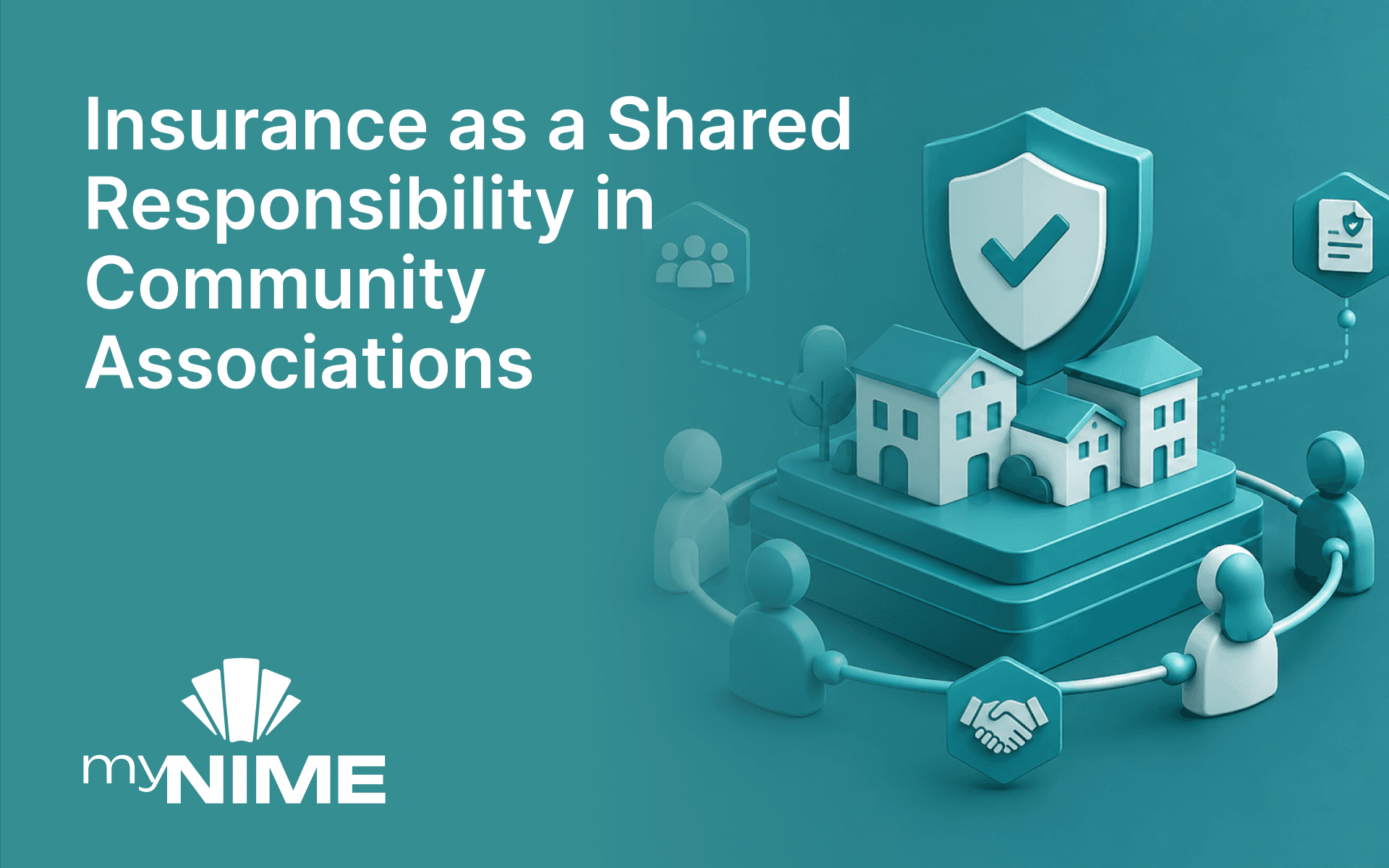
In this environment, insurance functions as a shared responsibility across multiple stakeholders. Boards guide strategic decisions, property managers oversee execution and coordination, unit owners maintain individual coverage, and vendors introduce operational risk through their work. Each group contributes to the overall risk profile of the building, and each plays a role in maintaining a well-structured insurance program.
When these responsibilities align, the result is a clear and coordinated approach to risk management. When they diverge, gaps emerge that can affect claims outcomes, financial stability, and operational efficiency. Understanding how these roles connect is essential for building a resilient and well-governed community.
Boards: Setting Direction and Financial Strategy
Boards carry fiduciary responsibility for the association and guide decisions that shape the building’s insurance structure. Their role includes approving coverage limits, selecting deductibles, and ensuring that policies align with the building’s physical and financial profile. These decisions influence how risk is distributed across the community and how the association responds to loss events.
Insurance decisions at the board level extend beyond policy selection. They connect directly to reserve planning, capital improvements, and long-term financial stability. A higher deductible may reduce premium costs, while increasing the potential for shared financial responsibility after a claim. Coverage limits influence how much protection is available for large-scale losses, and how much exposure remains within the community.
Boards rely on clear, structured information to guide these decisions. Claims history, vendor compliance records, and coverage comparisons provide insight into how the building performs over time. With this visibility, boards can align insurance strategy with operational realities and communicate decisions transparently to residents.
Property Managers: Coordinating Day-to-Day Oversight
Property managers operate at the center of insurance execution. They coordinate policies, track claims, manage vendor compliance, and serve as the primary point of contact between boards, brokers, and residents. Their role connects high-level strategy with day-to-day operations.
Insurance oversight for property managers involves continuous monitoring. Claims require documentation, follow-up, and coordination with adjusters. Vendor coverage must be reviewed before work begins and tracked throughout the lifecycle of each contract. Policy details and endorsements need to remain accessible for board discussions and reporting.
The scale of this responsibility increases with each additional building in a portfolio. Property managers often oversee multiple properties, each with its own set of policies, claims, and vendors. Structured systems support this complexity by centralizing information and reducing the need for manual tracking. When data is organized and accessible, property managers can respond quickly, provide accurate updates, and support informed decision-making across the community.
Unit Owners: Individual Coverage Within a Shared Framework
Unit owners contribute to the overall insurance structure through their individual policies, often referred to as HO-6 coverage. These policies address the interior of units and provide protection for personal property, improvements, and certain liabilities. They also play a role in covering shared financial exposure through provisions such as loss assessment coverage.
The interaction between the master policy and unit-level coverage defines how financial responsibility is distributed after a loss. Deductibles, policy limits, and coverage gaps can lead to assessments that impact individual owners. When unit owners maintain appropriate coverage, they support both personal financial stability and the broader resilience of the community.
Clear communication helps align expectations. Boards and property managers benefit from visibility into unit-level insurance compliance, ensuring that coverage is consistent across the building. This alignment reduces uncertainty during claims and supports smoother financial outcomes when shared costs arise.
Vendors: Managing Operational Risk at the Source
Vendors introduce a dynamic layer of risk through maintenance, repairs, and capital projects. Contractors, service providers, and specialists interact directly with the building’s infrastructure, creating both operational value and potential exposure. Insurance plays a central role in managing this risk through vendor risk transfer.
Vendor risk transfer ensures that responsibility for potential incidents aligns with the party performing the work. This requires verification of insurance coverage, confirmation of limits, and documentation of Additional Insured status where applicable. When these elements are in place, liability is distributed appropriately, and the association’s exposure is reduced.
Effective vendor oversight depends on consistency and visibility. Property managers track coverage status, boards establish requirements, and brokers support alignment with policy structures. When vendor compliance is actively managed, the building benefits from safer operations and stronger protection against unexpected events.
Alignment Creates Stability Across the Community
The strength of an insurance program in a community association depends on how well these roles connect. Boards provide direction, property managers coordinate execution, unit owners maintain individual coverage, and vendors operate within defined risk parameters. Each component contributes to a larger system that supports financial stability and operational continuity.
When information flows clearly across these groups, decisions are grounded in accurate data. Claims are documented and understood, vendor coverage is verified, and policies reflect the building’s true exposure. This alignment supports efficient operations and reinforces trust across the community.
Technology plays a critical role in enabling this coordination. myNIME brings together claims data, vendor compliance, unit insurance records, and policy information into a single, structured environment. With this visibility, stakeholders operate with a shared understanding of risk and responsibility, supporting stronger governance and more confident decision-making.
A Coordinated Approach to Insurance Oversight
Insurance in community associations reflects a shared structure of responsibility that spans governance, operations, ownership, and external partnerships. Each stakeholder plays a defined role, and the effectiveness of the system depends on how these roles align.
A coordinated approach transforms insurance from a collection of documents into an active framework for managing risk. With structured data, clear communication, and consistent oversight, communities support stronger outcomes across claims, operations, and long-term planning.
myNIME provides the infrastructure to bring this coordination into practice, connecting every element of the insurance ecosystem in one place.
To see how myNIME helps communities manage insurance with clarity, structure, and confidence,