

Inside the Insurance Model of New York’s Condo and Co-Op Buildings
New York’s property landscape includes some of the most complex condo and co-op ownership structures in the United States. Property managers, board members, brokers and unit owners operate in a dense regulatory environment where property insurance compliance plays a critical role in building protection, board governance, and financial stability.
Understanding the specific insurance requirements for condominiums and co-ops in New York is essential to maintaining coverage integrity, avoiding liability exposure, and streamlining board and vendor coordination.
How Condo and Co-Op Insurance Works in New York
Insurance for condos and co-ops in New York is shaped by the building’s ownership model. Co-ops operate as corporations: unit owners don’t technically own real estate, but shares in a corporation that give them occupancy rights. Condos, on the other hand, involve direct unit ownership and shared responsibility for common areas.
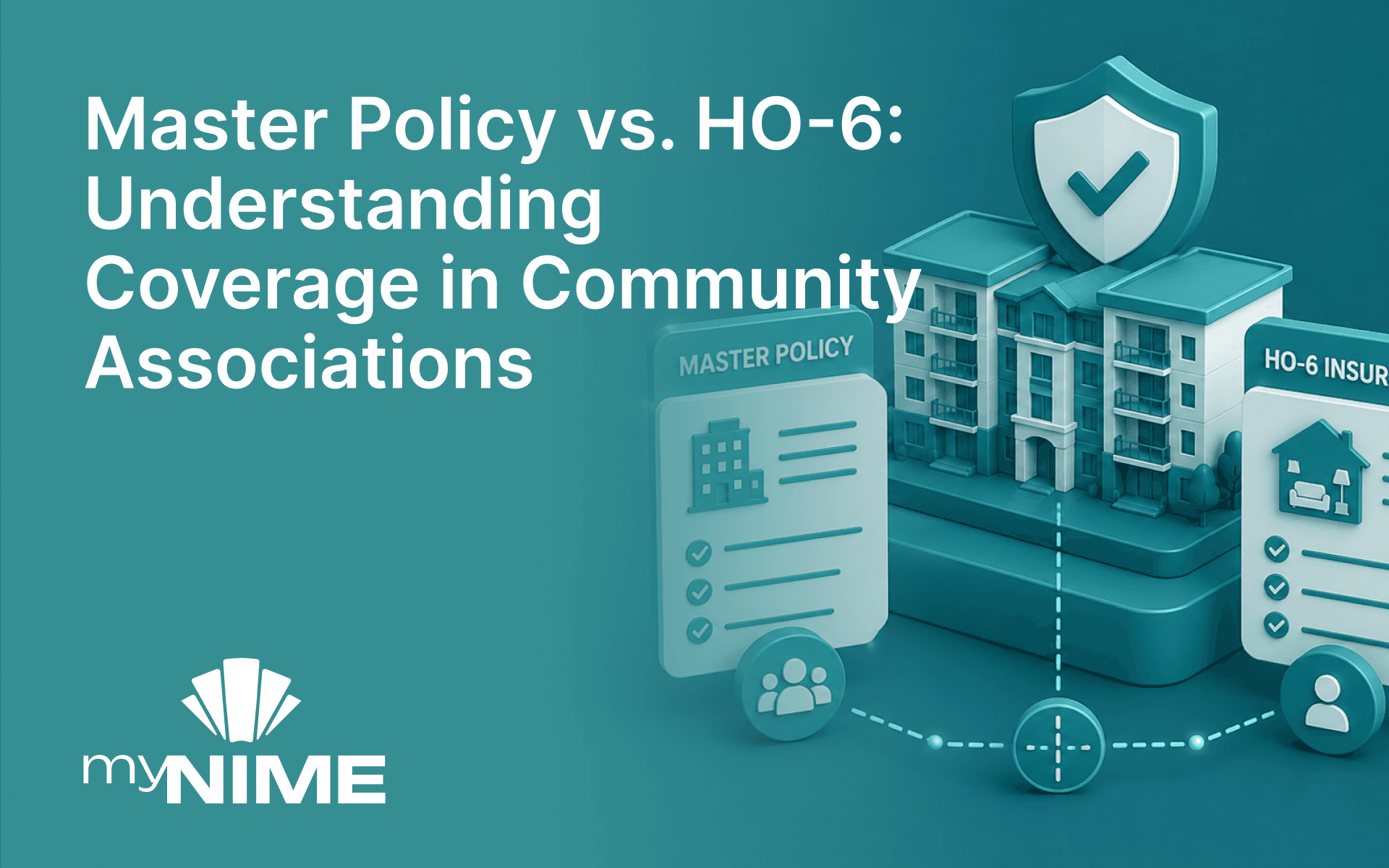
In both structures, insurance responsibility is divided. The building board or association typically holds a master policy that covers the physical structure of the building and all shared elements: hallways, lobbies, elevators, stairwells, and exterior walls. It also includes general liability coverage for incidents that occur in common areas and often carries Directors and Officers (D&O) liability insurance to protect board members in the course of their duties.
Each individual unit owner or shareholder must also carry an HO-6 policy. This policy provides coverage for personal contents, interior fixtures and finishes, temporary relocation expenses during repairs, and liability inside the unit. In many cases, it also includes loss assessment coverage, which helps cover the owner’s portion of shared losses not fully covered by the master policy.
Ensuring both policies are in force and coordinated effectively is key to avoiding coverage gaps and resolving claims without delay or dispute.
What Property Professionals Should Actively Track
Managing insurance in New York buildings means paying close attention to both building-level and unit-level coverage. First, the master policy must be regularly reviewed to confirm it includes appropriate structural coverage, up to date rebuild values, and, where applicable, flood or excess liability coverage. Property managers and building boards often work with experienced brokers to negotiate terms that reflect the building’s unique risk profile and regulatory environment.
At the unit level, tracking HO-6 compliance is essential. Many boards require proof of coverage from each owner or shareholder. This involved collecting policy documentation, checking for adequate limits, and confirming expiration dates to ensure no units are uninsured. With rising claims costs and increasing board liability, having these policies on file helps protect the entire building community.
Vendor insurance adds another layer of responsibility. Buildings frequently rely on third-party contractors for maintenance, renovations and repairs. Every vendor must provide a Certificate of Insurance, demonstrating active general liability and workers’ compensation coverage. These COIs should list the building as an additional insured and must be kept up to date to avoid exposure if an incident occurs.
Finally, D&O coverage must be reviewed and renewed on time. Without this protection, building board members may face personal legal risk related to governance decisions, particularly in litigious environments like New York real estate.
For official references and updated building code classifications, the NYC Department of Buildings and the NY Department of Financial Services provide valuable guidelines and regulatory frameworks.
Risk Factors that Affect New York Buildings
Co-op and condo properties in New York face recurring risks. Water damage is a top concern, especially in multi-unit buildings with stacked plumbing systems. Older properties, particularly those without updated sprinkler systems, are also vulnerable to fire-related damage. Renovations within units, common in aging buildings, can trigger disputes or claims if not handled properly.
Another issue is conflict between insurers. When a claim arises, both the master policy and the HO-6 carrier may attempt to shift responsibility. If documents, timelines or scopes of coverage are unclear, this slows down recovery and creates tension among board members, residents and vendors.
Operational Tips for Better Coverage Management
Use a centralized system to monitor the master policy and the unit-level insurance
Automate alerts for renewal timelines
Log every COI with expiration tracking
Keep D&O coverage visible for all board members
Archive historical policies and claims for reference in audits and disputes
Managing insurance across co-op and condo buildings requires structure, visibility and proactive tools. To see how myNIME helps New York property professionals reduce risk and improve coordination with boards and unit owners