

Insurance Requirements Differences Between Commercial and Residential Properties
Property insurance supports operational continuity, protects physical assets, and safeguards decision-makers from liability. Yet commercial and residential properties carry different insurance needs. Understanding how these differences influence policy structure, carrier requirements, and claims handling is essential for property managers and building boards responsible for maintaining adequate coverage.
Coverage Structure and Policy Scope
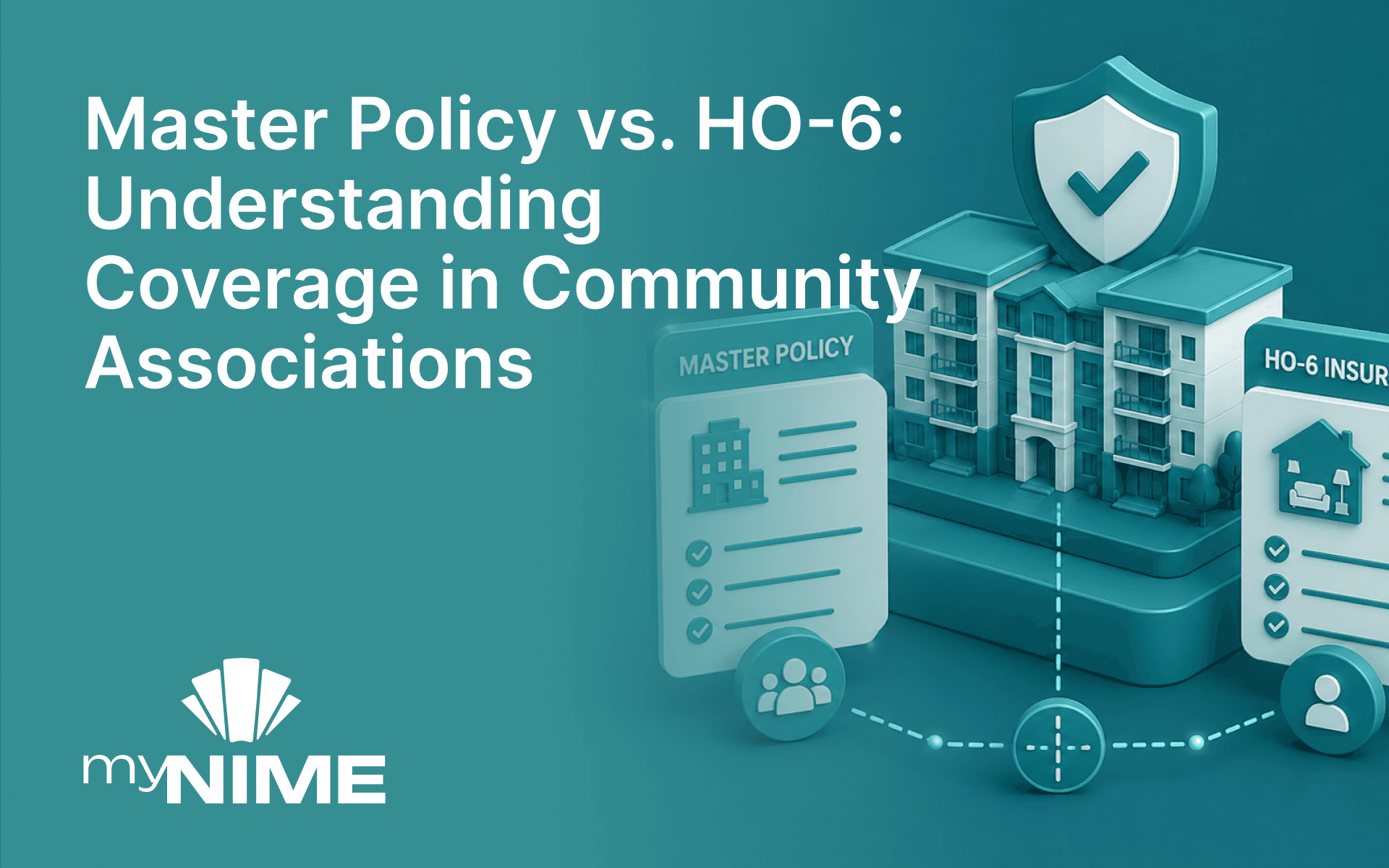
Residential buildings, such as condominiums, cooperatives, and apartment complexes, typically operate under a master policy held by the association or ownership entity. This policy covers the building’s structure, shared mechanical systems, and common areas. In many states, including New York and Florida, the master policy must also include general liability, Directors and Officers liability, and ordinance or law coverage to meet local compliance standards.
Each unit owner carries an individual HO-6 policy that covers interior elements like flooring, cabinetry, and personal belongings. This structure creates a split responsibility between the building owner and the residents. Aligning policy language between these two layers is critical. If deductibles are high or exclusions exist in the master policy, boards often require unit owners to carry minimum coverage levels to ensure the building remains protected from liability or repair cost disputes.
Commercial properties follow a broader and more dynamic coverage structure. These buildings may serve retail, office, hospitality, or industrial functions. The master policy must account for not only the structure itself but also the risk posed by tenants, visitors, equipment, and inventory. General liability limits are often higher in commercial insurance, and property coverage may include business income protection, equipment breakdown, spoilage, and tenant improvements. Policy customization is common, as carrier appetite and requirements vary based on occupancy type and tenant use.
Underwriting and Carrier Expectations
Insurers assess residential and commercial buildings using different criteria. For residential buildings, underwriters focus on occupancy type (owner-occupied vs. rental), claims history, building materials, location, and the presence of safety systems such as fire sprinklers and alarm systems. Coastal or high-rise buildings may require flood coverage or separate hurricane deductibles, especially in Florida and other storm-exposed states.
In commercial buildings, underwriting goes deeper into financials and operational complexity. Carriers assess tenant mix, lease agreements, historical maintenance records, and risk exposure based on business use. A restaurant with open flames presents higher risk than a law office, for example. Some insurers require engineering reports, safety audits, or third-party inspections before issuing a quote.
Policyholders managing commercial assets must also consider vacancy clauses, tenant liability coverage, and commercial umbrella limits. These requirements are not standard in residential coverage but are essential in protecting owners from extended liability or loss scenarios in commercial properties.
Claims Handling and Risk Management
Claims management differs between the two property types. In residential claims, especially in condo and co-op settings, the division of responsibility between the master policy and unit-level HO-6 policies creates complexity. Property managers and boards must coordinate with both the master carrier and the unit owner’s insurer, especially in cases involving water damage, fire, or structural repair. Clear documentation and policy alignment help prevent delays or disputes.
Commercial claims often involve more stakeholders and require faster financial response. For example, a water loss in a retail property may trigger a business interruption claim for lost revenue, tenant claims for damaged merchandise, and property claims for building repairs. Accurate recordkeeping and real-time COI tracking become essential. A well-documented risk management program allows commercial owners to respond effectively and maintain credibility with carriers.
In both cases, insurers reward well-maintained properties with better terms. Buildings that show a proactive approach to risk mitigation, such as routine safety inspections, maintenance logs, and vendor compliance, tend to receive more favorable underwriting assessments and renewal outcomes.
Portfolio Management Across Property Types
Many modern portfolios include a mix of residential and commercial properties. These mixed-use buildings present unique challenges because insurance policies must address both the shared risks (e.g., structural damage, common areas) and the distinct liabilities of each tenant or unit type. For example, a mixed-use condo building with ground-floor retail tenants must secure adequate coverage for both residential and commercial exposures.
Tracking insurance requirements across asset types requires organization, consistency, and systematized workflows. Property managers must maintain updated records of master policy renewals, tenant COIs, and unit-level HO-6 policies. They must also be able to respond quickly to carrier requests, claims events, or board inquiries. Relying on spreadsheets or disconnected tools introduces unnecessary exposure.
Platforms that consolidate policy tracking, document uploads, and renewal schedules allow property professionals to keep pace with the complexity of modern risk management. In a dynamic insurance market, structure and clarity are essential to long-term portfolio protection.
Ready to bring structure to your insurance lifecycle?
myNIME helps property professionals manage coverage across commercial and residential buildings—from quote to renewal. Track master policies, unit-level coverage, and vendor compliance in one platform built for clarity.