Solar Insurance Checklist for NYC Co-op and Condo Boards
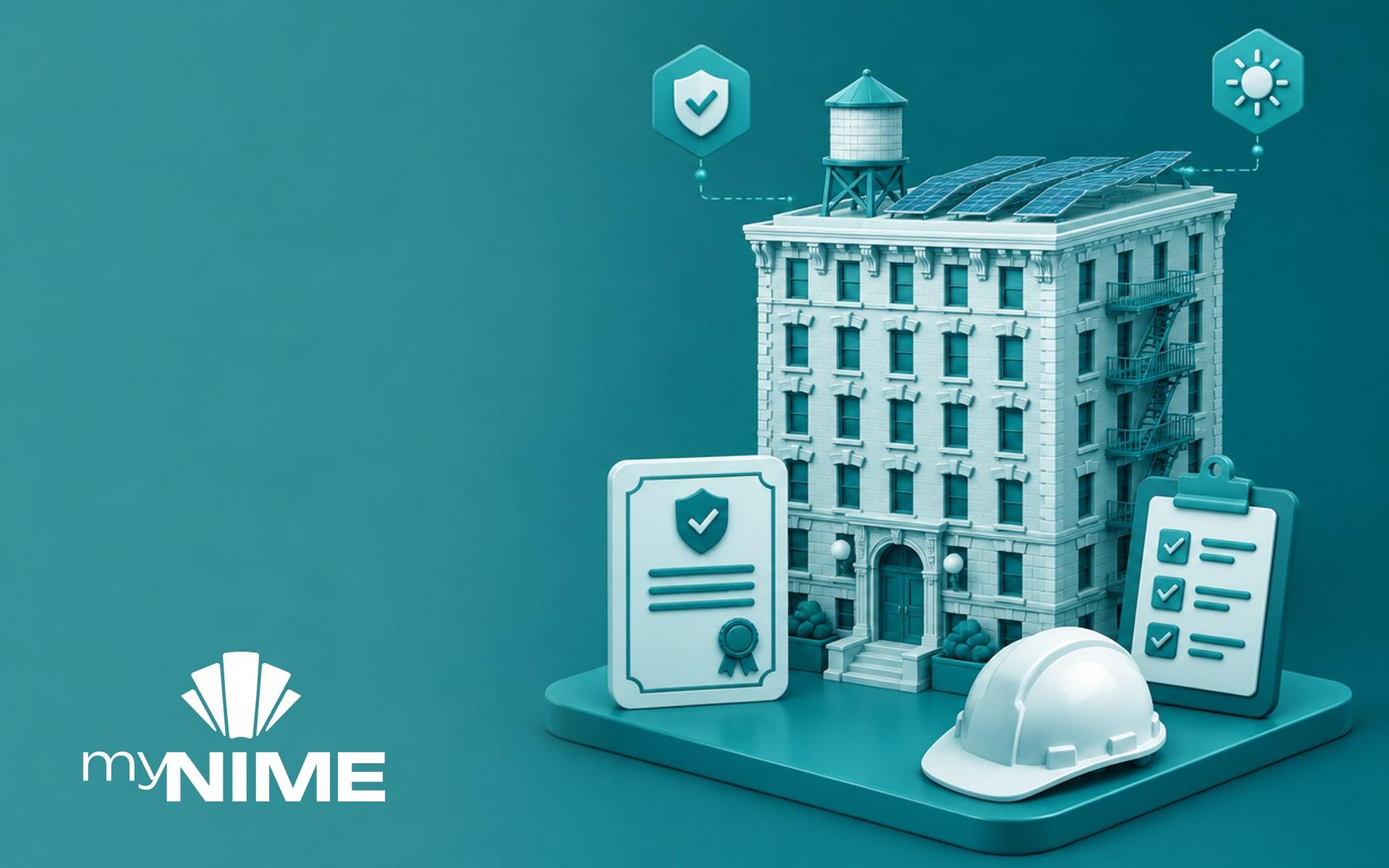
Solar can cut a building's energy bills, property taxes and Local Law 97 fines. It also changes the building's risk, and the insurance has to change with it. Most boards don't ask how until something goes wrong. Use this checklist next to your installer proposals, and have your broker and attorney confirm the details for your building.
Decide who owns the panels
Building-owned (cash or loan). The system becomes building property. Add its full replacement cost to the building limit on your master policy.
Lease, power purchase agreement or community solar. The solar company insures its own equipment, but the roof agreement puts duties on the building. Have your broker and attorney read its insurance and indemnity terms: who is named as additional insured, who pays for roof damage, who pays to remove and reinstall the panels when the roof is replaced, and what happens when the contract ends.
Check the installer's insurance
This is the biggest exposure. New York's Scaffold Law (Labor Law 240) makes building owners liable when a worker falls, and the exemption for one- and two-family homes does not cover co-ops or condos. If the installer's policy doesn't respond, your building's does (more in The Scaffold Law and the Action Over Trap). The same list applies to any roofer or contractor working on your roof, including heat pump installers.
General liability that names the co-op or condo and your managing agent as additional insured for ongoing and completed work (ISO forms CG 20 10 and CG 20 37, or equivalent). Completed work matters most: leaks show up after the crew leaves.
That coverage is primary and non-contributory, so the installer's policy pays first, with a waiver of subrogation.
No residential, height or "action over" exclusions. A certificate of insurance can't show these. Ask for the endorsement pages.
An umbrella policy over the general liability.
Workers' comp and disability proof on New York forms (C-105.2 or U-26.3, and DB-120.1). New York does not accept an ACORD certificate as proof of workers' comp.
An installation floater or builder's risk policy covering the equipment until you accept the system.
A contract indemnity naming the corporation or association, the board and the managing agent.
Protect the roof
Have your roofer of record approve the mounting plan, so the roof warranty survives.
Photograph the roof before work starts. If a leak shows up later, the photos help settle whose fault it is.
Get the installer's workmanship warranty in writing.
Replacing the whole roof? NYC Local Laws 92 and 94 may require solar or a green roof anyway, so plan the two together. The expanded J-51 tax abatement, starting January 1, 2027, can offset roof replacement costs. The Green Co-op Council has a free J-51 lookup tool.
Tell your insurer before installation
Give your broker the system's value, the installer's name and the install date. Carriers ask about roof condition, FDNY setbacks and rapid shutdown, and an unreported change is how claims end up disputed.
Ask whether your equipment breakdown coverage extends to the panels and inverters. Property coverage pays for fire and storm, not an inverter that simply fails.
Ask whether business income or extra expense coverage pays for lost savings while the system is down. Large systems can also buy production (shortfall) insurance.
Batteries: ask first
Battery storage gets far more scrutiny from carriers and the FDNY than panels do. Get your carrier's answer in writing before you sign anything that includes storage.
The board and residents
Confirm your D&O policy would defend the board if shareholders or owners challenge a solar decision or the assessment that pays for it.
Remind residents that loss assessment coverage on their HO-6 policy protects them if a loss is passed on to owners. More on where the master policy ends and HO-6 begins: Master Policy vs. HO-6 Insurance.
Nobody else will ask these questions
The utility generally can't require liability insurance to connect a system, and installers won't point out the exclusions in their own policies. If the board doesn't ask, no one will.
How myNIME helps
myNIME tracks your contractors' certificates of insurance, flags missing items like additional insured status or a waiver of subrogation, and keeps your building's policies and renewals in one place. Book a demo below or email support@mynime.com to see how myNIME can help your building through a solar project.
This checklist is general guidance, not legal advice. Your broker and attorney should confirm what fits your building.